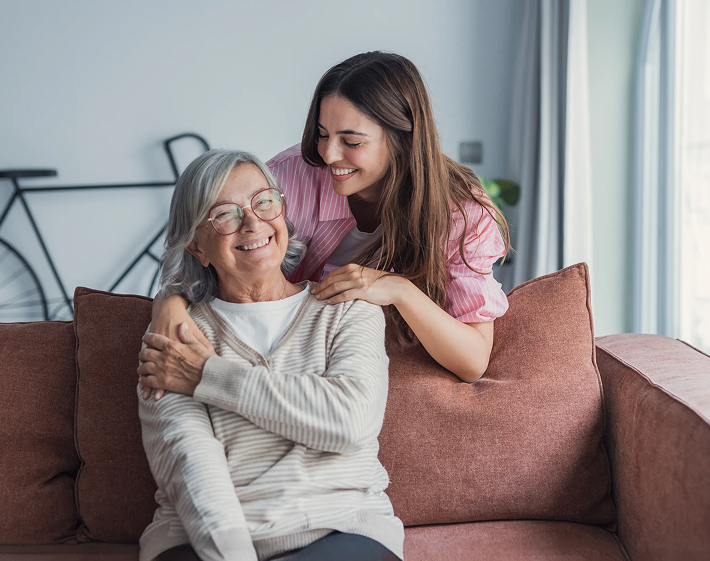
Preventing Falls at Home and Finding the Right Support
Table of Contents
- Why Fall Prevention Matters
- Common Causes of Falls at Home
- How to Create a Safer Home Environment
- The Role of Professional Support in Fall Prevention
- Compassionate Care for Safety and Peace of Mind
- FAQs
Why Fall Prevention Matters
Falls are one of the leading causes of injury among seniors living at home. Even a minor fall can result in significant health complications, loss of independence, and emotional distress. Understanding why fall prevention matters helps families take timely action to protect their loved ones. Most falls happen due to simple hazards that can be avoided with some awareness and adjustments.
For seniors, preventing falls is not just about avoiding injuries—it’s about maintaining confidence and staying in a familiar, comfortable environment. When a fall occurs, it can affect their quality of life and sometimes lead to a cycle of fear and reduced mobility.
Addressing fall risks early is crucial to ensuring safety and peace of mind for both seniors and their families.
Common Causes of Falls at Home
Many falls at home happen because of everyday obstacles and health issues that are often overlooked. Poor lighting, loose rugs, cluttered walkways, and uneven flooring can cause trips and slips. Additionally, balance problems, muscle weakness, medication side effects, and vision changes increase the risk of falling.
Chronic conditions like arthritis or Parkinson’s can further impair movement and stability. Even simple activities like getting out of bed or reaching for something on a shelf can become risky without proper support. Identifying these causes helps in taking focused steps to reduce hazards.
It’s important to recognize that fall prevention is not a one-time effort but a continuous process that adapts as needs change.
How to Create a Safer Home Environment
Making the home safer is a vital step in fall prevention. Small changes can make a big difference in reducing risks. Ensuring adequate lighting in hallways, staircases, and bathrooms improves visibility and helps avoid accidents. Removing loose rugs or securing them with non-slip backing eliminates tripping hazards.
Organizing furniture to create clear walking paths allows for easier mobility. Installing grab bars in bathrooms and handrails along stairs provides additional support. Using non-slip mats in showers and tubs further decreases the chance of slipping. These adjustments support independence and give seniors the confidence to move around safely.
Combining these physical changes with regular exercise to improve strength and balance offers a comprehensive approach to fall prevention.
The Role of Professional Support in Fall Prevention
Finding the right support is essential to maintaining safety at home. Professional home care services offer more than just assistance—they provide personalized care tailored to individual needs. Care teams can help manage medications, monitor health conditions, and assist with mobility, all of which contribute to fall prevention. They also provide companionship, reducing loneliness and encouraging active living.
When recovery from surgery or illness requires extra help, professionals ensure smooth transitions and ongoing support. Reliable transportation services eliminate the stress of getting to medical appointments or errands, which is crucial for health maintenance.
Additionally, access to medical equipment rentals, like walkers and hospital beds, offers temporary or long-term aid that enhances safety and comfort. Support that combines expertise with kindness can empower seniors to live well and safely in their own homes.
Compassionate Care for Safety and Peace of Mind
Preventing falls at home requires a thoughtful combination of environment changes and dependable support. Families looking for quality care need solutions that address both safety and emotional well-being. Personalized care plans that respect dignity and encourage independence create a nurturing atmosphere for seniors. Professional home care providers play a key role by offering compassionate, reliable, and tailored services that help reduce fall risks.
This approach brings peace of mind to families, knowing their loved ones are in good hands. With ongoing care, attention to detail, and proper support, it’s possible to protect seniors from falls and help them enjoy a safer, healthier home life.
Ephraim Stat Care is committed to delivering this kind of compassionate care that makes a real difference every day.
FAQs
1. What are the first steps to prevent falls at home?
Start by identifying potential hazards such as loose rugs or poor lighting. Improving these conditions and encouraging regular exercise for strength and balance can significantly reduce fall risks.
2. How can professional care services help prevent falls?
Care providers assist with medication management, mobility support, and monitoring health conditions, all of which contribute to fall prevention and overall safety.
3. Are there special tools or equipment to reduce fall risks?
Yes, items like grab bars, non-slip mats, walkers, and hospital beds can make the home environment safer and provide necessary support.
4. How does transportation service support fall prevention?
Safe transportation ensures seniors can attend medical appointments and errands without the stress of driving, helping maintain their health and independence.
5. Can fall prevention strategies be customized for different needs?
Absolutely. Personalized care plans tailor fall prevention measures to each individual’s health status, living conditions, and lifestyle.